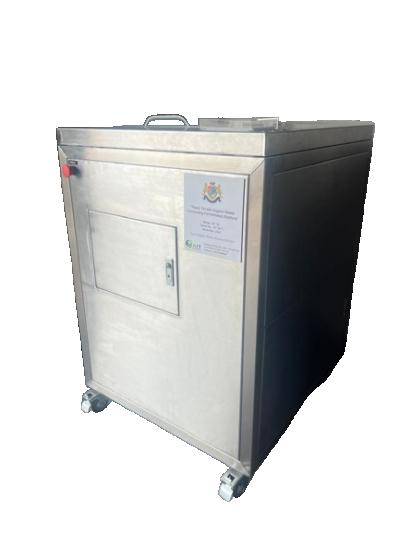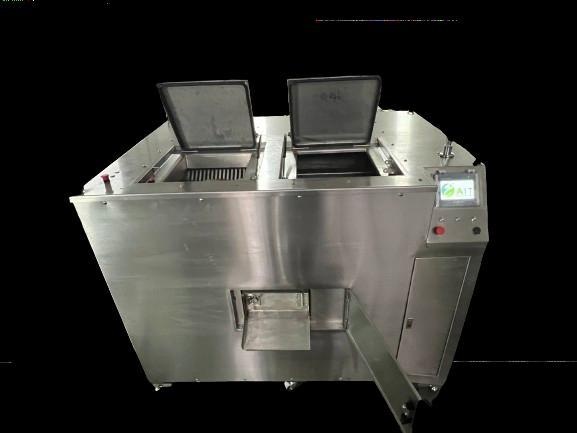






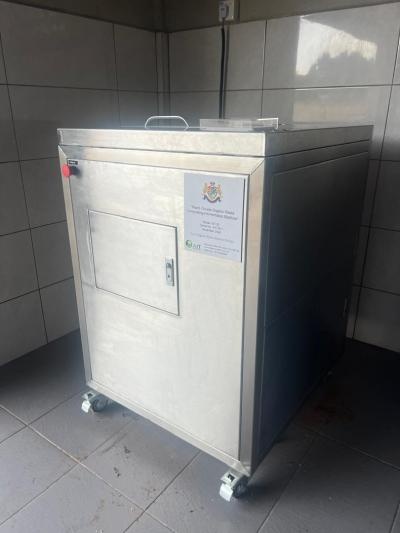



An Organic Waste Composting Machine is an automated system designed to convert organic waste into nutrient-rich compost efficiently. It helps households, businesses, and institutions manage biodegradable waste in an eco-friendly manner, reducing landfill burden and promoting sustainability.
Key Features & Benefits
• Efficient Waste Reduction: Reduces organic waste volume by 80–90%, minimizing landfill contribution.
• Fast Composting Process: Uses microbial technology to Compost Ferment Organic waste within 24 hours to 48 Hours.
• Odor & Pest Control: Proper Filtration, heating, and microbial action prevent foul odors and pest issues.
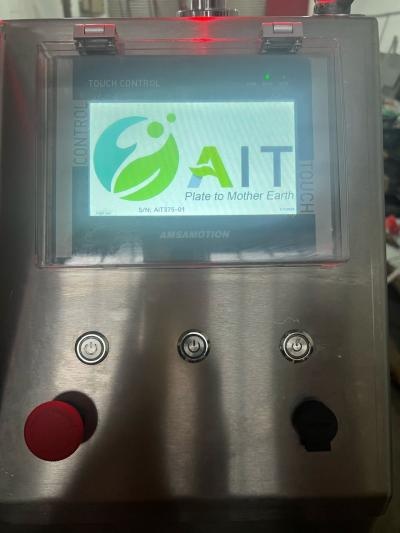
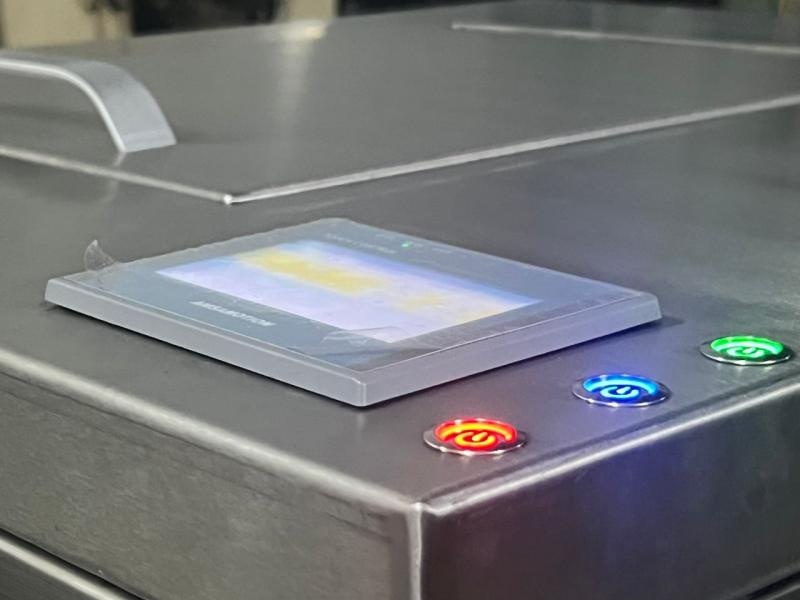
• User-Friendly & Low Maintenance: Fully or semi-automatic machines with smart sensors for easy operation with touch screen facility.
• Energy-Efficient: Low power consumption models available for sustainable use.
How It Works
1. Feeding Waste: Organic waste is loaded into the machine.
2. Shredding & Mixing: Some models grind waste for faster decomposition.
3. Microbial Action: Heat, aeration, and microbes break down waste efficiently.
4. Moisture & Odor Control: Sensors regulate moisture and neutralize odors.
5. Compost Ready: Nutrient-rich compost is produced in 24 hours to 48 hours.
Applications
• Schools, cafeteria, food courts, hotels, municipal councils, hostels and club house for organic waste management.
• Restaurants, hotels, and food industries to manage food waste sustainably.
• Hospitals, schools, and offices to comply with waste regulations.
• Municipal waste management for large-scale composting solutions.
Conclusion
An Organic Waste Composting Machine is a practical and sustainable solution for waste management. It reduces environmental impact, converts waste into useful compost, and promotes a circular economy. Investing in a composting machine helps businesses and communities become more eco-friendly while reducing waste disposal costs.