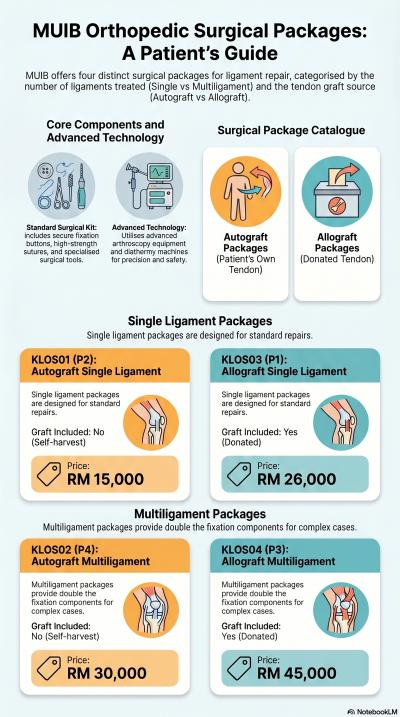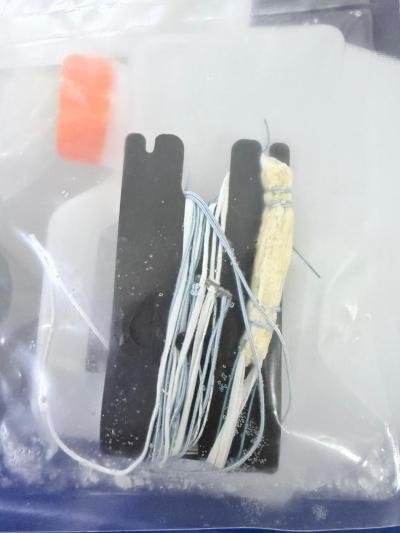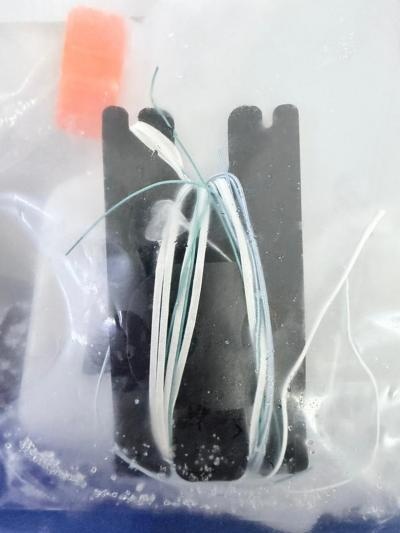






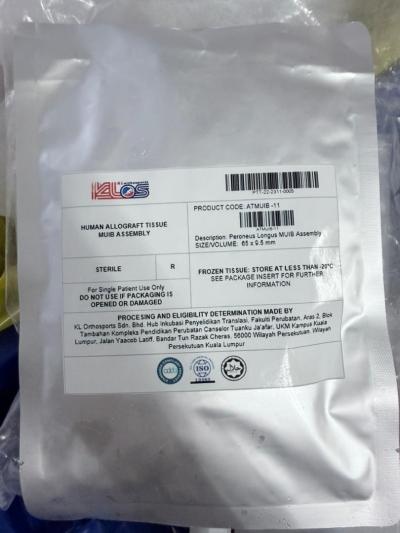
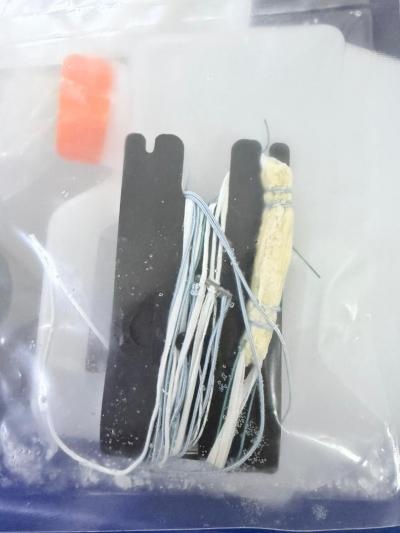
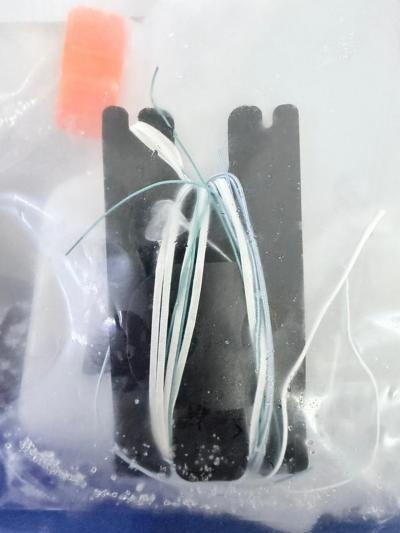



The Modified Universiti Kebangsaan Malaysia Internal Bracing (MUIB) Allograft, is a specialized soft-tissue graft modification protocol designed to enhance early biomechanical stability in ligament and tendon reconstructions, such as Anterior Cruciate Ligament (ACL) procedures. Prepared directly within the operating theater using a human allograft; typically the Peroneus Longus or Achilles tendon, this technique integrates a high-strength synthetic internal bracing tape alongside the biological tissue before implantation.
A key feature of this intraoperative version is its immediate, hands-on optimization, allowing the surgical team to adjust tensioning, sizing, and reinforcement configurations dynamically based on the patient's unique joint anatomy. By combining the natural scaffolding of a cryopreserved human allograft with the mechanical augmentation of an internal brace, the graft effectively offloads structural stress during the critical early phases of biological remodeling and ligamentization.
The primary benefit of this hybrid construct is the protection it offers against early graft elongation or catastrophic failure under physiological loads, which historically limits standard allograft usage in demanding physical scenarios. This mechanical safeguard allows for an accelerated, more confident postoperative rehabilitation timeline without sacrificing the long-term advantages of natural tissue integration and host cellular ingrowth.
The target audience for the intraoperatively prepared MUIB allograft primarily comprises orthopedic surgeons seeking robust, customizable tissue solutions that mitigate the typical laxity risks associated with standard allografts. Ultimately, the end beneficiaries are active patients, athletes, and individuals undergoing complex joint revisions who require high immediate graft strength, reduced donor-site morbidity, and an optimized pathway to restoring full joint function and stability.